







Search Results for: Java Island earthquake
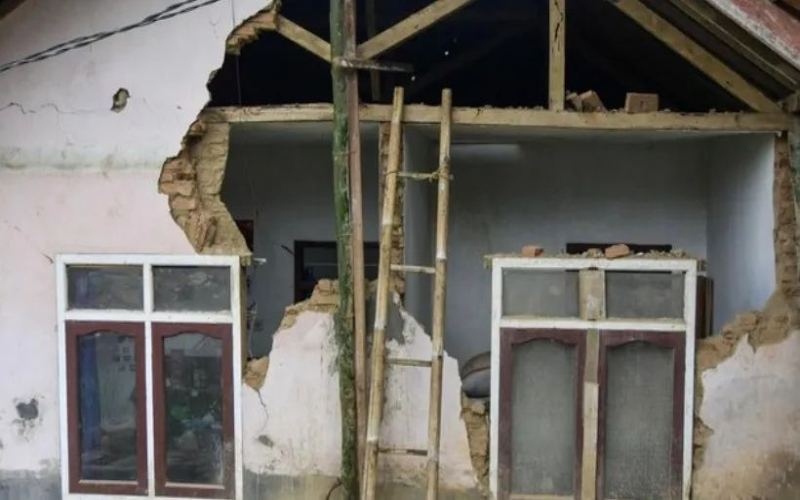
Two major coffee-producing regions in Indonesia have been hit by disasters in succession; output may decline further, and prices could keep rising.
Recently, several major coffee-producing regions in Indonesia have been hit by natural disasters. A magnitude 5.0 earthquake struck near Bandung in West Java on the island of Java, causing injuries and damage to homes; the Aceh region in northern Sumatra was hit by heavy rain and strong winds, and with the coffee harvest season underway, harvesting work has been disrupted. At the same time, several provinces are also facing ongoing drought, and coffee production may decline further. This article summarizes the disaster situations in various areas and their impact on Indonesia's coffee industry. [more…]
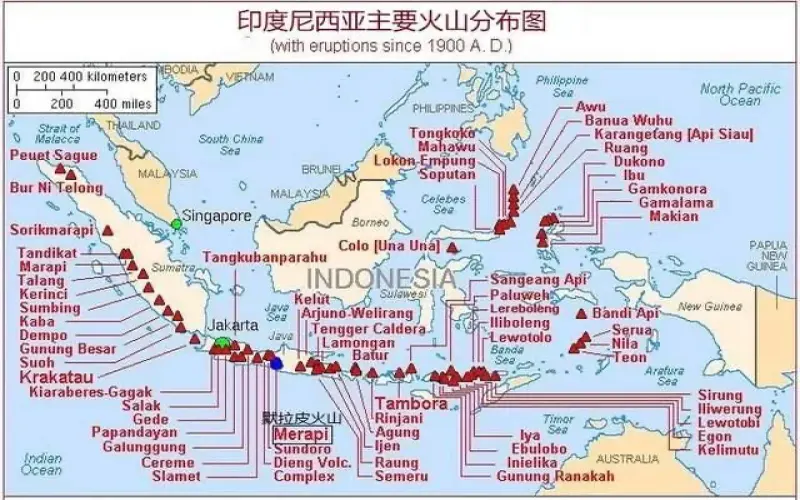
Multiple volcanoes in Indonesia erupt in succession, alert level raised to maximum, Robusta coffee production may decline significantly
Indonesia is located at the junction of multiple geological plates and has the largest number of active volcanoes in the world, with 127 active volcanoes within its territory. Recently, multiple volcanoes in the country have erupted intensively, and authorities have raised the alert level to the highest. Volcanic activity not only threatens the safety of local residents, but also poses serious risks to agriculture, including coffee. The current period coincides with the Robusta coffee harvest, and some producers expect output on certain islands to decrease by 20%, while total national production may fall by 50%. Combined with tight global inventories caused by drought in Vietnam, Robusta coffee prices may be pushed further higher. This article will review the specific details of these volcanic eruptions and their potential impact on the coffee industry. [more…]
Guatemala Antigua Coffee Flavor Analysis and Pour-Over Tasting: From Volcanic Soil to Noble Smoky Notes
Guatemalan coffee has always been renowned for its rich elegance, and the Antigua region is the crown jewel among them. Surrounded by three active volcanoes, its volcanic soil is rich in nitrogen, creating the distinctive smoky and charcoal-roasted flavors of Antigua coffee. This article will take you deep into the taste characteristics of Antigua coffee—from its rich, smooth chocolate sweetness to its captivating tobacco aroma, and on to its stunning performance when paired with chocolate. We will also trace the history of how coffee was introduced to Guatemala, analyze the flavor differences among its eight major producing regions, and recommend Front Street Coffee's classic Antigua bean. Whether you are a pour-over enthusiast or an espresso player, this article will help you gain a comprehensive understanding of this noble bean known as "cigarette coffee." [more…]
Jamaica Blue Mountain Coffee: Causes of Production Decline and Flavor Analysis — Typica Variety Pour-Over Parameters and Brewing Method
Jamaican Blue Mountain coffee is renowned for its balanced and elegant flavor, but since October 2020, Jamaica has been hit by a series of natural disasters including tropical storms, hurricanes, earthquakes, and volcanic ash, causing road damage in the Blue Mountain coffee growing region and extensive cherry drop, with Coney Dell Estate expected to see yield losses of over 50%. This article will review the impact of these disasters, introduce the growing environment of Blue Mountain coffee and the characteristics of the Typica variety, and share in detail the brewing parameters and flavor profiles of two pour-over methods recommended by Front Street Coffee—the KONO dripper and the cloth filter—to help coffee enthusiasts gain a comprehensive understanding of the current situation and brewing key points of Blue Mountain coffee. [more…]

Guatemalan Antigua Coffee Flavor Analysis: The Smoky Legend and Quality Exploration Nurtured by Volcanic Soil
Guatemalan Antigua coffee is known as "cigarette coffee" and is a representative of the Bourbon variety with bright acidity and mellow aroma. This article will take you deep into the historical stories of the Antigua production region, its volcanic geographic advantages, the origins of Maya culture and coffee, and its unique taste—rich, silky, with tobacco and charcoal-roasted flavors. From the production environment to flavor characteristics, from historical changes to its position in the international market, this is a comprehensive analysis of this specialty coffee hailed as the "most perfect coffee bean," suitable for every enthusiast who loves exploring coffee flavors. [more…]
Guatemala Antigua La Flor del Café Specialty Coffee: A Flavor and Aroma Analysis of Red Wine Finish with Tobacco and Spice Notes
Guatemala Antigua La Flor del Café specialty coffee beans are renowned worldwide for their red wine aftertaste, tobacco and spice aromas, and velvety, full-bodied mouthfeel. This article will provide an in-depth analysis of this coffee's flavor characteristics and aromatic layers, while also offering an overview of Guatemala's seven major coffee-producing regions. It will introduce how the unique geographical and historical background of the Antigua region imparts such captivating flavors to the coffee. The article will also mention Front Street Coffee's recommendations for Guatemalan coffee, giving you a comprehensive understanding of this specialty coffee that combines elegant acidity with rich spice notes. [more…]

Exploring the Flavors of Guatemala Antigua Coffee: Volcanic Soil, Smoky Character, and Brewing Parameters for Flor del Café
Guatemalan coffee is renowned worldwide for its distinctive volcanic smokiness and rich flavor, and the Antigua region in particular is hailed as a representative of the world's finest coffee. This article traces in depth the historical origins and growing environment of Antigua coffee, analyzes the causes of its tobacco and charcoal-roasted notes, and provides a detailed introduction to the varietal characteristics of La Minita Estate's Floral God coffee, its washed processing method, and Front Street Coffee's roasting and brewing recommendations. From Mayan civilization to modern specialty coffee, from the volcanic heartland to the flavors in your cup, this takes you on a comprehensive journey into the unique charm of this Central American coffee treasure. [more…]
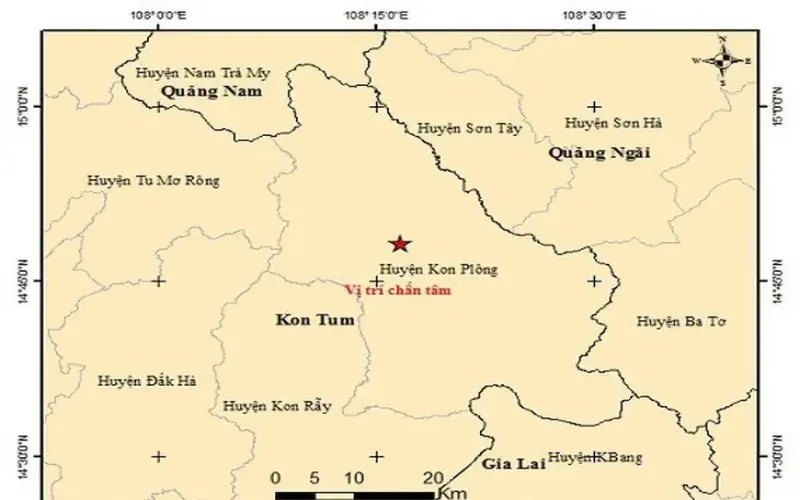
Kontum Province in Vietnam experienced 32 consecutive earthquakes within 24 hours, putting the main coffee-growing region at risk of reduced production.
Vietnam's core coffee-producing region—Kon Plong District in Kon Tum Province—recorded 32 earthquakes within just 24 hours, the strongest reaching magnitude 5.0, triggering tremors across the Central Highlands, several surrounding provinces, and even parts of Thailand. Experts say the quakes are linked to reservoir-induced activity and may continue in the future. As a key part of Vietnam's Central Highlands coffee belt, Kon Tum Province and neighboring provinces account for about 70% of the country's robusta coffee output. The earthquakes could cause farmland subsidence, fluctuations in groundwater levels, and shortages of irrigation water. Combined with this year's severe drought and shrinking cultivation area, the risk of a decline in Vietnam's coffee production is further intensifying. Front Street Coffee will continue to monitor developments in the producing region and their impact on the coffee market. [more…]
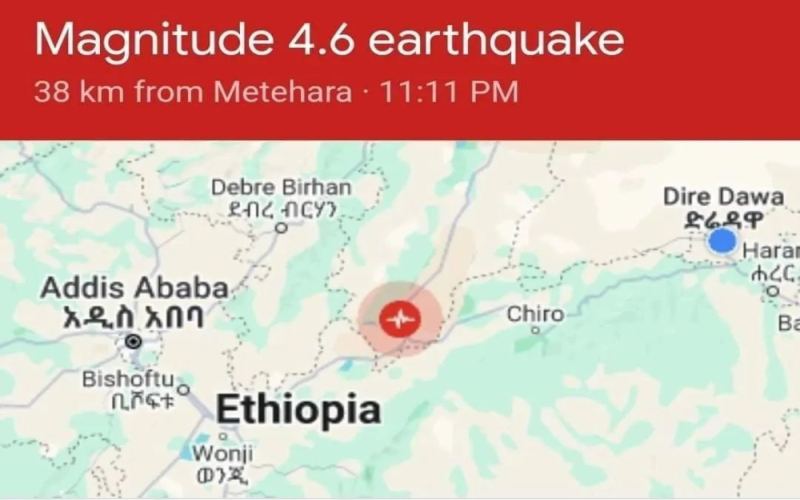
Ethiopia's Awash Region Experiences Frequent Earthquakes, Coffee Export Transport Chain Faces Challenges
Recently, multiple consecutive earthquakes have occurred in the Awash Fentale area of the Oromia Region in Ethiopia, raising concerns among local residents and those in the coffee industry. This area is not only close to the capital, Addis Ababa, but also adjacent to the important coffee-producing region of Harar, and the earthquakes may affect the soil and coffee yields. At the same time, the risk of damage to road infrastructure, combined with port congestion caused by the Red Sea crisis, may further disrupt Ethiopia's coffee export transportation. In addition, the conflict in the north and the continued depreciation of the exchange rate remain major challenges facing the country's coffee industry, with planting costs constantly rising and the coffee price cap being raised again. This article will review the earthquake developments and their potential impact on the coffee supply chain. [more…]
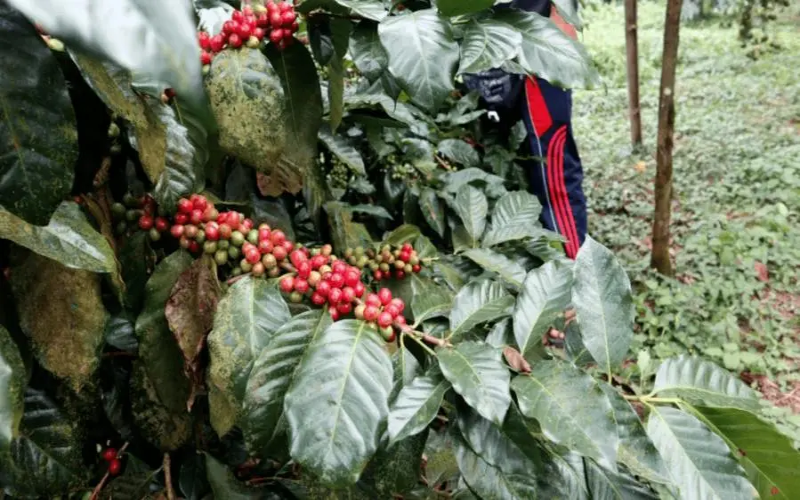
Frequent Volcanic Eruptions in Indonesia Combined with Drought Shocks the Coffee Industry, Sumatra Robusta Premiums Continue to Climb
Recently, robusta coffee prices have continued to run at high levels, driven both by the Red Sea crisis pushing up shipping costs and by El Niño weather causing production declines in many countries. As an important producing region, Indonesia has seen its Sumatra robusta premium widen from an earlier 450 USD to 500-520 USD this week. At the same time, the country is facing multiple pressures, including frequent volcanic eruptions, drying river basins, high fertilizer prices, and soil degradation, and industry insiders worry that coffee-growing areas will be further affected. This article reviews the challenges and price trends currently facing Indonesia's coffee industry, and brings Front Street Coffee's continued attention to developments in the producing region. [more…]
Guatemalan Antigua Coffee: Smoky Flavors and Mayan Heritage Born of Volcanic Soil
Antigua coffee is world-renowned for its balanced fruity acidity, rich spicy notes, and signature smoky flavor, behind which lies the diligent cultivation of Mayan descendants and the generous gift of volcanic soil. This article will take you into Antigua, Guatemala, providing a comprehensive interpretation of this noble bean variety known as "cigarette coffee," from the historical context of Mayan culture to the terroir conditions of coffee cultivation, from the flavor characteristics of classic Antigua coffee to its acclaim among global coffee connoisseurs. At the same time, Front Street Coffee will also recommend Antigua products worth savoring, allowing you to experience the desolate history and mysterious aroma in that cup. [more…]
The Story Behind Guatemalan Antigua Coffee Beans: An Analysis of Floral Estate Flavors, Varieties, and Brewing Parameters
Guatemalan Antigua coffee is renowned for its distinctive smoky, charcoal-roasted flavor, earning it the nickname "cigarette coffee" among coffee enthusiasts. This valley, surrounded by three volcanoes, nurtures a richly layered coffee through its volcanic pumice soil, high-altitude microclimate, and shade-grown cultivation. This article begins with the historical origins of Antigua, examines how volcanic soil imparts a smoky quality to the coffee, and focuses on the Flora coffee beans from La Minita Estate—their Bourbon, Caturra, and Catuai varietal composition, strict washed processing and organic farming management, as well as Front Street Coffee's medium-light roasting approach and V60 three-pour brewing parameters—comprehensively presenting this bean's flavor characteristics and tasting highlights. [more…]
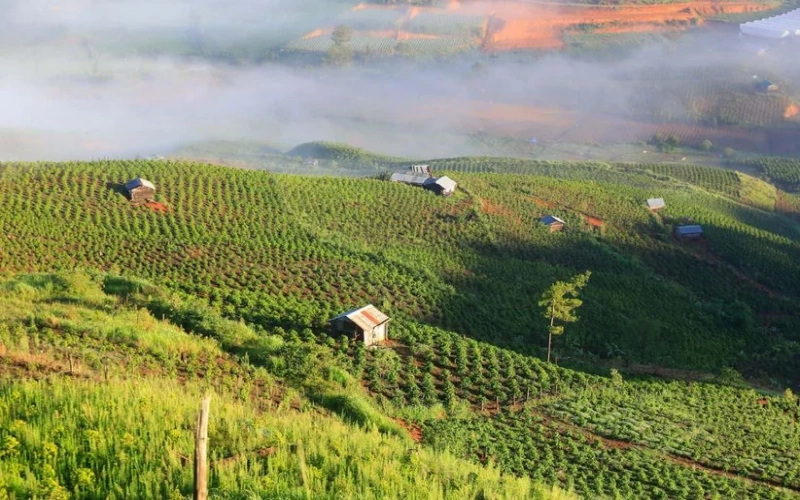
Which islands in Indonesia are coffee-producing regions? Analysis of coffee-growing areas and varieties on Java Island
Indonesia, as the world's fourth-largest coffee producer, is made up of more than seventeen thousand islands, and its coffee-growing regions are naturally divided by island, with Sumatra, Java, Sulawesi, Bali, and others each having their own characteristics. Among them, Sumatra has the highest output and is world-famous for its Mandheling flavor; Java not only has a long history of cultivation but also gave rise to the Java coffee variety named after the island. This article will review the distribution of Indonesia's main coffee islands and provide an in-depth introduction to Java's growing areas, altitude conditions, and variety structure, while also mentioning product information such as Front Street Coffee's Lindong budget beans, offering coffee enthusiasts a complete guide to Indonesia's producing regions. [more…]

A Comprehensive Analysis of Indonesian Java Coffee: Are Production Regions, Varieties, and the Java Variety Actually the Same Thing?
The word Java actually encompasses three different references in the coffee world: it can be an Indonesian growing region, the name of a coffee variety in the cup, or used as a broader umbrella term. This article, from the perspective of Front Street, first introduces the geography and historical background of Java Island as Indonesia's second-largest coffee-producing region, then traces back to the Dutch introduction of Typica to Java and the later shift from Arabica to Robusta. It then focuses on clarifying the true identity of the Java variety—it did not originate in Indonesia but is a local variety selected in Ethiopia and later introduced elsewhere—and distinguishes the physical differences between long-berry and short-berry Java. After reading, you will understand: the Java variety can be called Java coffee, but Java coffee is not necessarily the Java variety. [more…]
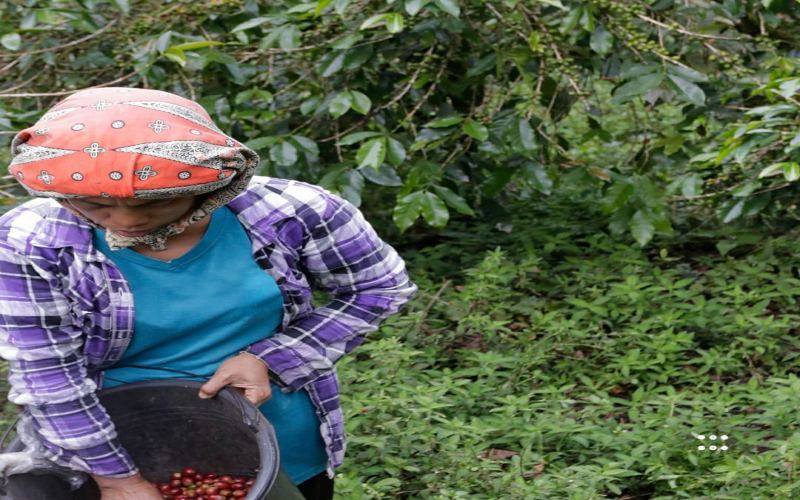
Exploring Indonesian Coffee Origins: A Comprehensive Analysis of Java Island's Coffee Cultivation History and Growing Region Distribution
Indonesia is the world's fourth-largest coffee producer, made up of more than seventeen thousand islands, with its coffee-growing regions divided by island. Java, as the country's earliest coffee-growing area, has a long history of coffee cultivation and exceptional natural conditions. This article will guide you through the origins and development of Indonesian coffee, outline the characteristics of the main island regions such as Sumatra and Java, and take a closer look at Java's geographical environment, cultivation distribution, and main varieties, while also sharing information on the Indonesian Lintong Mandheling everyday drinking beans recommended by Front Street Coffee. [more…]
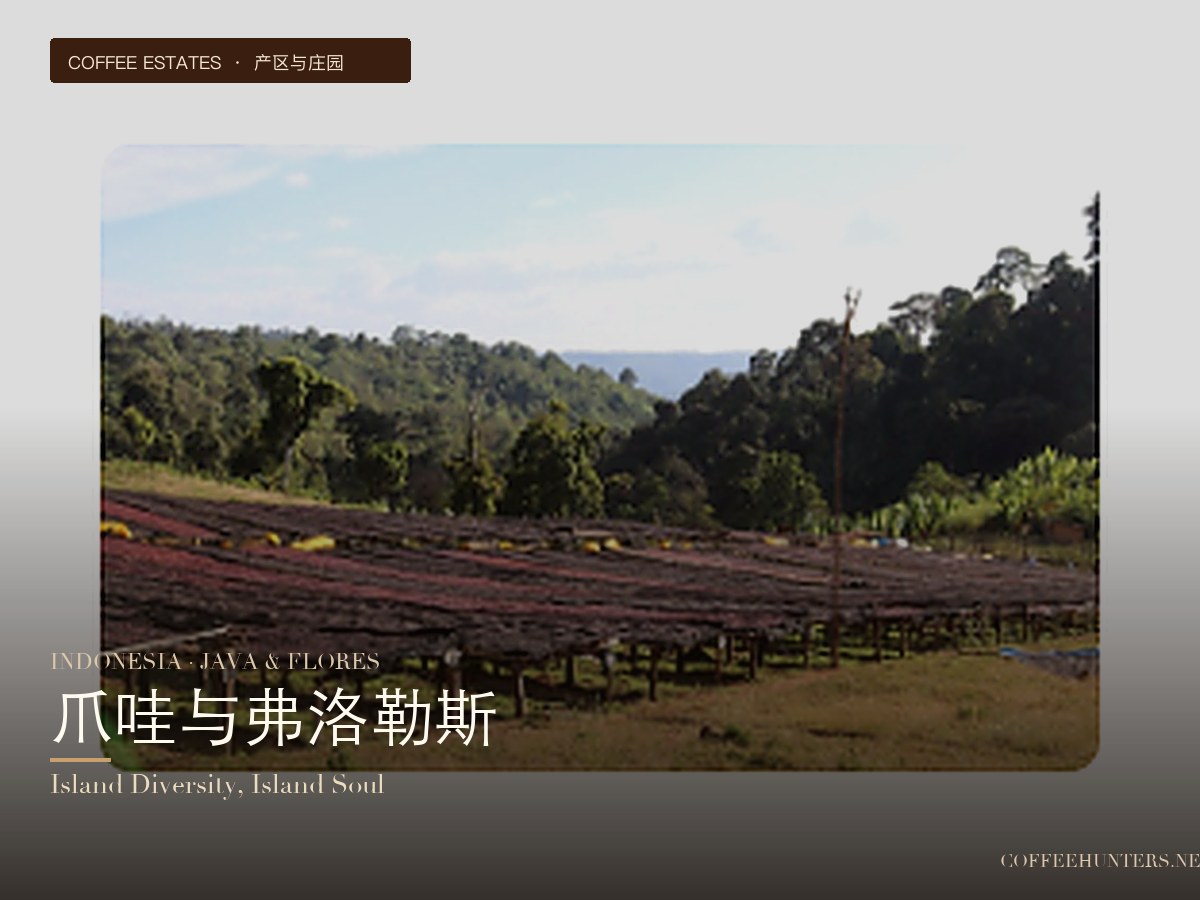
Indonesia: Java and Flores — Diverse Island Flavors
Indonesia's Java and Flores are two specialty coffee-producing regions with just as much diverse flavor as Sumatra. This article introduces you to the geography, varieties, and distinctive flavors of these two island regions. [more…]
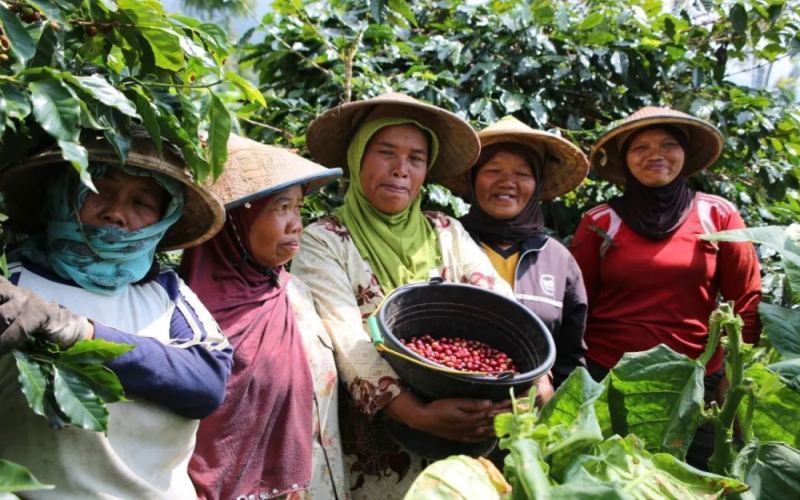
A Complete Analysis of the Three Major Indonesian Island Coffee Regions: Flavor Differences Between Java, Sulawesi, and Sumatra
Indonesia stretches across the equator and is made up of numerous islands. Among them, the three major producing regions of Java, Sumatra, and Sulawesi, with their unique terroir, give rise to coffees of strikingly different styles. Java coffee once wrote a glorious chapter in the history of the coffee trade, and today it is known for its refined aroma and balanced delicacy; Sulawesi preserves an ancient semi-washed tradition, with a full-bodied flavor rich in layers; and the Mandheling produced in Sumatra is practically synonymous with rich, bold black coffee, with its signature wet-hulled processing method giving the coffee a steady, grounded character of wood, herbs, and earth. This article will go through the varieties, processing methods, and flavor characteristics of the three major producing regions one by one, and share Front Street Coffee's roasting approach for Mandheling, leading you to a comprehensive understanding of the diverse face of Indonesian specialty coffee. [more…]
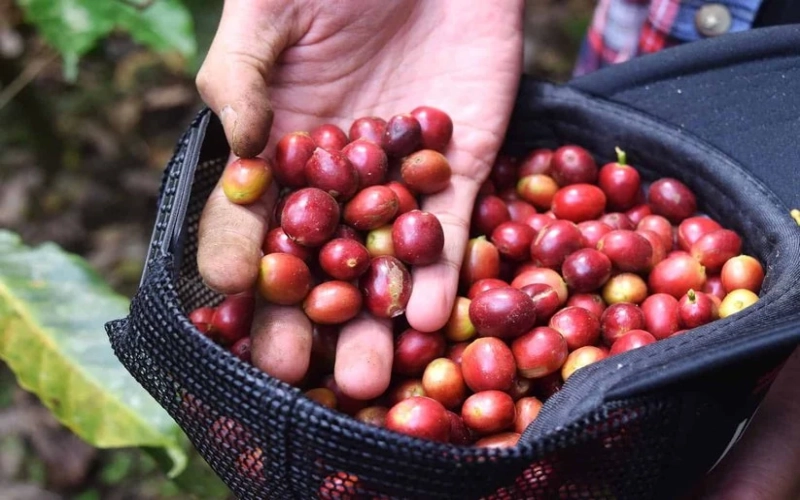
Indonesian Java Island Coffee Region and History: An Analysis of West Java Honey-Processed Java Flavor
When people mention Indonesian coffee, most first think of Sumatra, yet it is Java that is the starting point of this country's coffee history. This article will outline Java's growing regions and cultivation history, from its introduction during the Dutch colonial period and the impact of leaf rust, to the breeding and promotion of the S795 (Jember) variety, and will focus on the West Java Mount Tigula honey-processed beans offered by Front Street Coffee—which break away from the herbal and spicy notes commonly associated with Indonesian coffee, presenting instead the bright sweet-tartness of tropical fruit and a red-wine-like finish. Brewing parameters are included at the end for coffee lovers' reference. [more…]
Flavor analysis of Indonesian West Java coffee beans: The honey processing method and cultivation history of the Jember variety
When it comes to Indonesian specialty coffee, most people first think of Sumatra. Yet coffee from West Java presents a completely different character—no heavy herbal and spicy notes, but instead a warm, gentle tropical fruit sweetness and acidity. This West Java bean, now available at Front Street Coffee, comes from the Arumanis Estate on Mount Malabar, and the variety is S795, known locally as Jember, processed using the honey method. This article will walk you through the terroir of the Java growing region, the winding history of coffee cultivation, the role of the ICCRI research institute, as well as the cupping performance of this bean and Front Street's brewing recommendations. [more…]
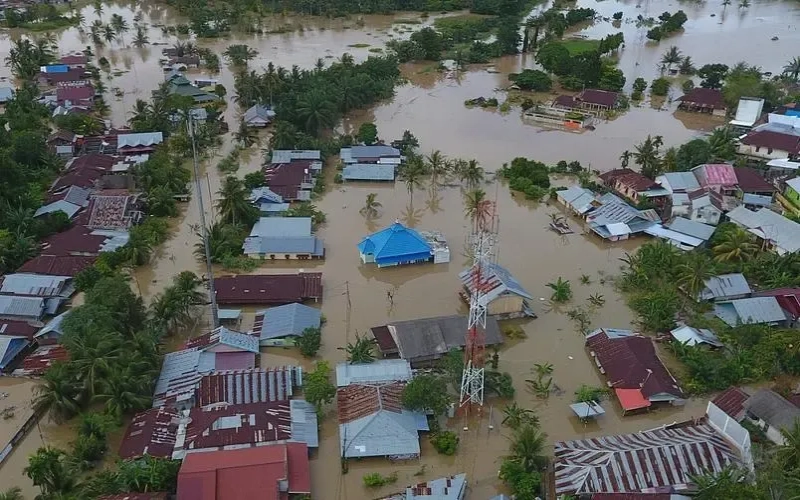
Severe Weather in Indonesia Devastates Coffee-Growing Regions: Java and Sumatra Hit Hard, Output Expected to Fall by as Much as 50%
Indonesia is a major global coffee producer, with coffee cultivation mainly distributed across islands such as Sumatra, Java, Sulawesi, and Bali. However, the country has recently experienced persistent severe weather, and floods and landslides triggered by heavy rain have dealt a serious blow to multiple coffee-producing regions. The Bandung area on Java Island, the island's largest coffee-producing region, has already seen casualties and extensive housing damage; nine regions in western Sumatra have been especially hard hit, and with Robusta coffee at the pre-fruiting and early harvesting stage, losses have been severe. According to estimates by local producers, output on some islands will fall by 20%, and the country's total production may be halved. At the same time, the Indonesian government has designated coffee as a national priority industry and significantly increased fertilizer subsidies in an attempt to ease the impact of the disaster on agriculture. This article will review the specific effects of the disaster on Indonesia's coffee industry and related policy trends. [more…]